
Therapy for Children
When Your Child Is Struggling
You want to help your child, but lately things may feel difficult to manage.
Are you noticing more emotional outbursts, frustration, or behaviors that are becoming difficult to manage at home? Situations that once seemed small may now turn into big reactions, and despite trying different approaches, it may feel like nothing is working consistently.
At the same time, you might be hearing concerns from school. Teachers may be reporting behavior issues, difficulty staying focused, or challenges getting along with other children. These conversations can leave you feeling worried, frustrated, or unsure about what your child needs.
If you are looking for help, it likely means you care deeply about your child and want to support them in the best way possible. Sometimes, children simply need extra support learning how to understand their emotions, express themselves, and develop skills that help them feel more successful both at home and at school.
Supporting Your Child Together
Helping your child often means working together as a team.
When working with children, I believe parents and caregivers play an important role in the therapy process. While your child will have space to express themselves and work through their experiences, you will also be included in ways that help support progress outside of the therapy room.
Sometimes this may look like joining your child in a session so we can observe how you interact together and explore ways to support your child in real time. Other times we may meet separately for parent check-ins where we talk about what I am noticing in sessions and brainstorm ways you can reinforce those skills at home.
You may also receive simple activities or strategies to incorporate into your child’s day-to-day routine. These tools are meant to help strengthen the skills your child is learning and create consistency between therapy and home.
In sessions with your child…
I focus on meeting them where they are.
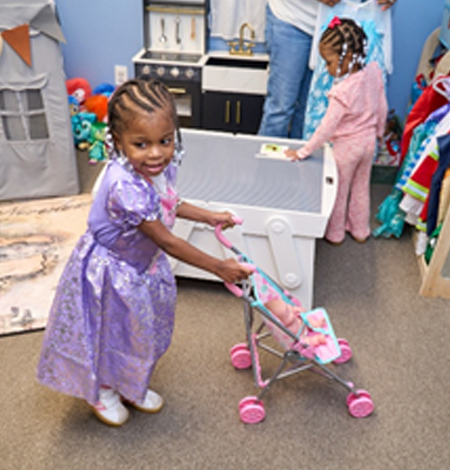
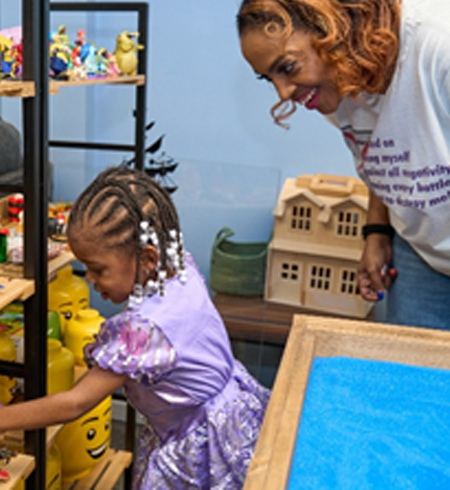
Children often express themselves best through play, creativity, and imagination. Using approaches such as play therapy, art, and other creative activities helps me better understand how your child sees themselves and their place in the world.
From there, we can begin working toward healthier emotional expression, improved behavior, and more effective ways of functioning both at home and at school.
Helping Your Child Build Confidence and Emotional Skills
Therapy can help your child better understand their emotions and feel more confident in themselves.
Children between the ages of 3 and 12 are still learning how to recognize their feelings, manage frustration, and interact with the world around them. When emotions feel too big or confusing, children often express them through behavior. Therapy helps children develop the skills they need to understand what they are feeling and respond in healthier ways.
In our work together, I often draw on ideas from Adlerian therapy, which focuses on helping children feel capable, connected, and confident. Many challenging behaviors come from a child feeling discouraged or unsure of their place within their family, school, or social environment. Therapy helps children feel understood while building the belief that they can handle challenges.
Through play, conversation, and creative activities, children learn to recognize their emotions, practice calming strategies, and develop healthier ways to communicate their needs. As their confidence grows, many children begin to show improvements in emotional regulation, behavior at home and school, and their ability to interact positively with others.
The goal is not simply to stop difficult behaviors. Instead, therapy focuses on helping your child build the emotional skills, resilience, and self-esteem that allow them to feel more secure and successful as they continue to grow.

You’ve Already Taken the First Step
Let’s talk and see if this feels like the right fit for your child.
If you’ve made it this far, it likely means you care deeply about your child and want to help them succeed. Looking for support for your child can feel like a big step, but taking the time to explore options already shows how committed you are to their well-being.
The next step is simple. I offer a free 15-minute consultation call where we can briefly talk about what you’ve been noticing, discuss your concerns, and explore whether therapy may be a good fit for your child and your family.
This call also gives you the opportunity to ask questions and get a sense of how I work with children and parents before making any decisions about moving forward.
You know your child better than anyone. If something has been telling you they may need extra support, it’s worth listening to that instinct.
Schedule your free consultation today and take the next step toward helping your child feel more confident, supported, and understood.
